Source Adjustable Steel Pallet Rack for Warehouse, Supermarket, and Industrial Use
Find 30 Adjustable Steel Pallet Rack options for warehouse, supermarket, and industrial applications. Compare specifications including load capacity, dimensions, and customization features to select the ideal storage solution for your facility.
Key considerations
Products List


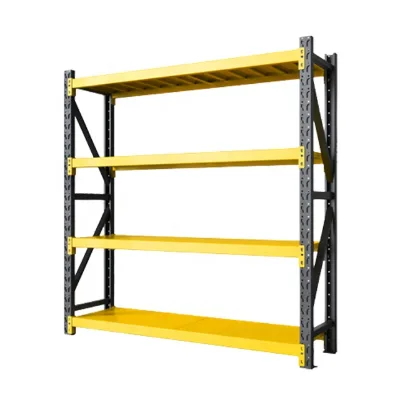


Comprehensive Sourcing Guide
Strategic Sourcing Guide for Adjustable Steel Pallet Racking Systems
The global demand for efficient warehouse storage solutions has elevated the importance of selecting the right Adjustable Steel Pallet Rack systems. These systems form the backbone of modern logistics, enabling high-density storage while maintaining accessibility for various inventory types. For procurement professionals, the market presents a diverse array of configurations, ranging from fixed structures to mobile units, each serving specific operational needs. Understanding the technical nuances, material specifications, and supplier capabilities is essential for building a resilient supply chain. This guide synthesizes available market data to provide a structured approach to sourcing these critical industrial assets, ensuring that buyers can make informed decisions based on verified attributes rather than unverified marketing claims.
Technical Specifications and Structural Configurations
The core of any pallet racking system lies in its technical specifications, which dictate load-bearing capacity, dimensional flexibility, and overall durability. Based on observed market data, adjustable steel pallet racks are predominantly constructed from high-grade steel, ensuring the necessary strength to support heavy industrial loads. The structural integrity is often defined by the beam and upright specifications. Common beam types include step beams and box beams, with dimensions typically ranging from 80mm to 160mm in height, 50mm in width, and a thickness between 2.0mm and 2.5mm. Upright frames vary significantly to accommodate different load requirements, with standard profiles including dimensions such as 80x60mm, 90x60mm, 90x70mm, 90x75mm, and larger variants up to 100x75mm.
Adjustability is a primary feature for modern warehouses, allowing for the reconfiguration of storage levels without structural replacement. The shelf height adjustment mechanism often utilizes a pitch of 75mm or 50mm, providing granular control over vertical spacing. This flexibility supports a wide range of product sizes, from small tools to large beverage pallets. The overall dimensions of the racking units are highly customizable, with widths frequently available in standard increments of 1800mm, 2700mm, or 3600mm, or tailored to specific facility constraints. Depths typically range from 850mm to 1050mm, though custom depths are often available to match specific pallet dimensions.
The construction type is another critical technical differentiator. Most systems utilize a bolted frame design, which facilitates easy assembly and disassembly. This method allows for the installation of racks in various environments without the need for specialized welding equipment on-site. The mobility of the system is also a key variable; while many units are fixed, some configurations offer adjustable or mobile capabilities, enabling dynamic space utilization. The height of these systems can extend from 5 meters to 15 meters, making them suitable for both low-ceiling warehouses and high-bay distribution centers.
Material Quality and Surface Finish Standards
The longevity and performance of steel pallet racks are heavily dependent on the quality of the raw materials and the protective surface finishes applied. The primary material identified in the market is steel, selected for its superior tensile strength and resistance to deformation under heavy loads. To prevent corrosion and extend the service life of the racks, manufacturers employ various surface finishing processes. The most common treatments observed are powder coating and galvanization. Powder coating provides a durable, aesthetically pleasing finish that is resistant to chipping and scratching, while galvanization offers robust protection against rust, particularly in humid or chemically aggressive environments.
Color customization is a standard offering, with blue and orange being the default choices for high visibility and safety compliance. However, buyers can often request specific RAL colors to match corporate branding or safety zone requirements. The surface finish is not merely cosmetic; it is a functional requirement that impacts maintenance costs and safety. A high-quality finish ensures that the rack remains stable and visible over years of operation, reducing the risk of structural failure due to corrosion.
When evaluating material quality, buyers should verify the specific steel grade and the thickness of the metal used in both the uprights and beams. While standard thicknesses are observed in the range of 2.0mm to 2.5mm for beams, the actual specifications must be confirmed against the intended load capacity. The structural design, whether it is a multi-level racking system or a pallet racking configuration, must align with the specific usage requirements, such as storage for food, industrial goods, tools, or clothing. The material properties must be consistent with the intended application, ensuring that the rack can withstand the dynamic loads of forklift operations and static loads of stored inventory.
Compliance, Certification, and Safety Verification
Navigating the compliance landscape for industrial racking systems requires a rigorous approach to verification. While some suppliers may claim adherence to international standards, buyers must independently verify these claims against the specific needs of their facility and local regulations. The market data indicates that products are often "Custom-Made to specific storage need" or "Customizable by Size and Load Capacity," suggesting that standard compliance may not automatically apply to every configuration. Therefore, the burden of verification lies with the buyer to ensure that the final product meets all necessary safety and performance criteria.
Certification status, such as CE marking, is a factor that buyers should investigate, though it should not be assumed as a blanket guarantee without supporting documentation. The procurement process should include a request for specific test reports and certification documents that validate the load capacity and structural integrity of the proposed design. Buyers must ensure that the racking system is designed to meet the specific load requirements of their operation, which can range from 300kg to 3000kg per level, depending on the configuration.
Safety is paramount in warehouse environments. The racking system must be designed to prevent collapse under maximum load conditions. This involves verifying the load capacity claims through independent testing or third-party certification. The construction type, such as the bolted frame, must be installed according to the manufacturer's specifications to ensure stability. Additionally, the surface finish and material quality must be consistent with the environmental conditions of the warehouse, particularly if the facility is subject to temperature fluctuations or humidity.
Cost Drivers and Pricing Dynamics
Understanding the cost drivers of adjustable steel pallet racks is essential for budgeting and financial planning. The price of these systems is influenced by several factors, including the complexity of the design, the quantity ordered, and the level of customization required. The observed price range in the market is broad, spanning from $0.80 to $850, reflecting the diversity of products available. This wide range indicates that pricing is highly dependent on the specific configuration, material thickness, and finish quality.
The Minimum Order Quantity (MOQ) is another significant cost factor, with observed ranges from 1 to 1000 units. Smaller orders may incur higher per-unit costs due to setup and handling fees, while larger orders benefit from economies of scale. Buyers should negotiate based on their specific volume requirements to optimize costs. The customization level also plays a crucial role in pricing; systems that are "Custom-Made to specific storage need" or require non-standard dimensions will generally command a higher price than off-the-shelf solutions.
Lead times and delivery costs are additional considerations that impact the total cost of ownership. While some suppliers offer a standard delivery time of 20 days, this can vary based on the complexity of the order and the supplier's production capacity. Buyers should factor in these lead times when planning warehouse expansions or renovations to avoid operational disruptions. The packaging method, which often includes plastic bandage, stretch film, wooden pallets, and steel straps, also contributes to the overall cost and must be considered in the logistics planning.
Typical Applications and Usage Scenarios
Adjustable steel pallet racks are versatile solutions designed to meet a wide array of storage needs across various industries. The observed usage categories include warehouse racks, industrial applications, food storage, supermarket operations, tool storage, clothing storage, beverage storage, and tool racks. This versatility makes them suitable for environments ranging from cold storage facilities to high-volume distribution centers.
In industrial settings, these racks are used to store heavy machinery parts, raw materials, and finished goods. The ability to adjust shelf heights allows for the efficient storage of items of varying sizes, maximizing vertical space utilization. In the food and beverage industry, the corrosion-resistant surface finishes are particularly important to maintain hygiene and prevent contamination. The racks must be easy to clean and durable enough to withstand the rigors of a busy warehouse environment.
Supermarkets and retail distribution centers utilize these systems for bulk storage of goods before they are moved to the sales floor. The adjustable nature of the racks allows for quick reconfiguration to accommodate seasonal changes in inventory. For tool and clothing storage, the racks provide a secure and organized solution that keeps items accessible and protected. The specific application dictates the required load capacity and structural design, making it essential for buyers to align their selection with their operational needs.
Supplier Evaluation and Quality Control Protocols
Selecting the right supplier is a critical step in the procurement process. Buyers should evaluate suppliers based on their ability to provide custom solutions, their production capacity, and their commitment to quality. The market data indicates that many suppliers offer OEM and ODM services, allowing for tailored solutions that meet specific client requirements. Buyers should verify the supplier's origin, with common locations including Nanjing and Hebei Province in China, to understand the logistics and potential lead times.
Quality control is paramount to ensuring the safety and longevity of the racking system. Buyers should request detailed quality assurance documentation, including material certificates, surface finish test results, and load capacity verification reports. The production process should be transparent, with clear specifications for the beam and upright dimensions, as well as the surface finish treatment. The packaging method, which typically includes plastic film, packaging cases, and corner protectors, should be robust enough to prevent damage during transit.
Buyers should also assess the supplier's ability to provide after-sales support and technical assistance. This includes the availability of replacement parts, installation guidance, and maintenance advice. The supplier's reputation and track record in the industry are also important factors to consider. By conducting a thorough evaluation of potential suppliers, buyers can mitigate risks and ensure that they receive a high-quality product that meets their specific needs.
Long-Term Procurement and Maintenance Considerations
Investing in adjustable steel pallet racks is a long-term decision that requires careful consideration of maintenance and lifecycle costs. The durability of the system depends on the quality of the materials and the protective finishes applied. Regular inspections and maintenance are essential to ensure the continued safety and performance of the racking system. Buyers should establish a maintenance schedule that includes checking for signs of wear, corrosion, or structural damage.
The modularity of the bolted frame design allows for easy expansion and reconfiguration as the warehouse needs evolve. This flexibility is a key advantage of adjustable steel pallet racks, as it allows the system to adapt to changing inventory requirements without the need for complete replacement. However, buyers should ensure that the initial design allows for future expansion and that the supplier can provide the necessary components for future additions.
Long-term procurement also involves considering the total cost of ownership, including installation, maintenance, and potential replacement costs. By selecting a high-quality system from a reputable supplier, buyers can minimize downtime and reduce the risk of accidents. The ability to customize the system to specific needs ensures that the investment is optimized for the specific operational environment, providing a return on investment through increased efficiency and safety.
FAQs
What customization options are available for adjustable steel pallet racks?
Customization is available for size, load capacity, and specific storage needs. Buyers can select from standard widths like 1800mm or request tailored dimensions to fit facility constraints while maintaining structural integrity.
How is the shelf height adjusted on these steel rack systems?
Shelf height adjustment utilizes a pitch of 75mm or 50mm for granular vertical spacing control. This mechanism allows users to reconfigure storage levels easily without replacing the entire structural frame.
Which surface finishes protect the steel from corrosion?
Common surface finishes include powder coating and galvanization to prevent rust and extend service life. Powder coating offers durability against chipping, while galvanization provides robust protection in humid environments.
Can the load capacity be customized for specific warehouse needs?
Yes, load capacity is customizable, typically ranging from 300kg to 3000kg per level. The final capacity depends on the specific upright and beam dimensions selected for the intended storage application.
What are the standard dimensions for beam and upright components?
Beams typically range from 80mm to 160mm in height with 2.0mm to 2.5mm thickness. Upright frames vary in size, with common profiles including 80x60mm up to 100x75mm depending on load requirements.
How long is the typical delivery time for these racking systems?
The standard delivery time is approximately 20 days from order confirmation. Actual lead times may vary based on the complexity of customization and the specific production schedule of the manufacturer.